

⚠️ Due to High Demand: This product is currently on backorder and will ship by approximately February 23.
Place your order now to secure your item in restock before it sells out again.
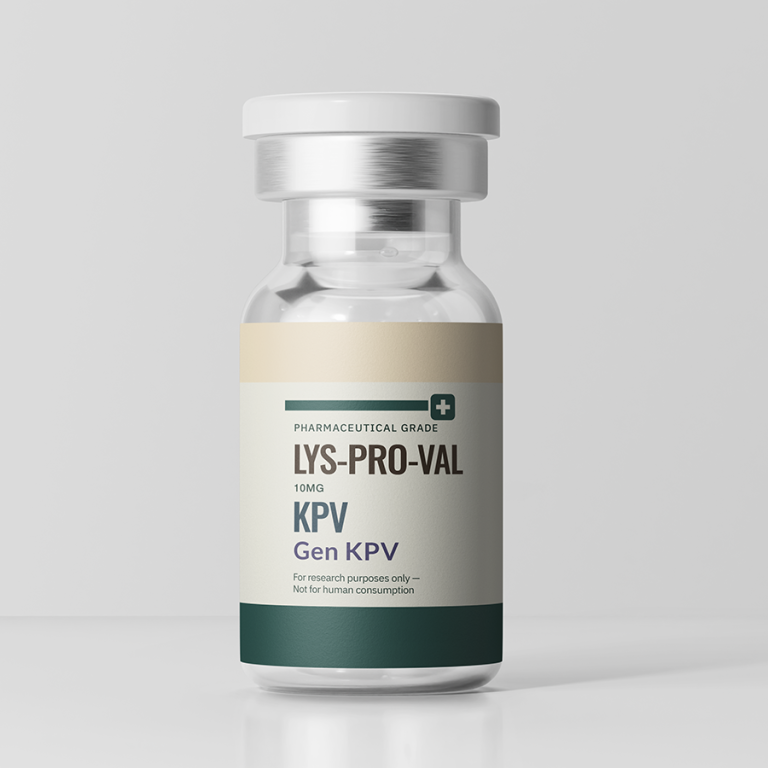
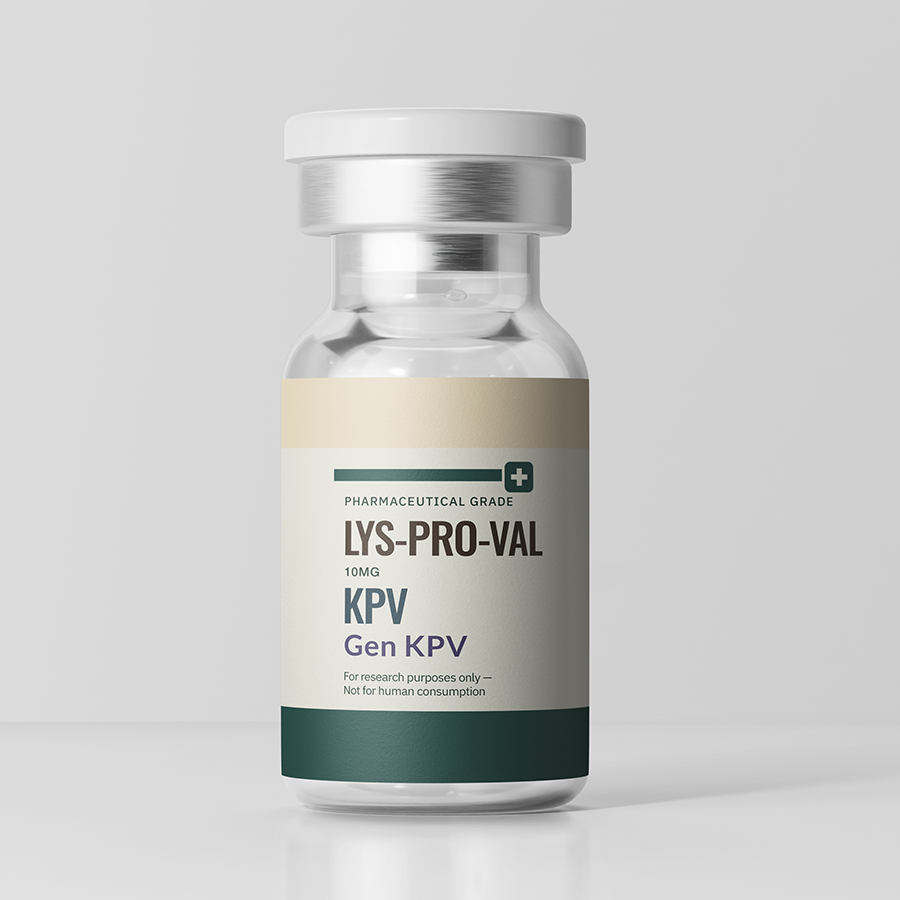
Gen KPV (Lysine – Proline – Valine) is a tripeptide frequently chosen by research teams exploring inflammation signaling, tissue recovery pathways, and cellular balance mechanisms in controlled models.
Overview
KPV is widely studied in research focused on inflammation modulation, tissue repair signalling, and cellular protection frameworks. In non-clinical models, research teams use this peptide to examine how immune communication pathways may influence inflammatory marker activity, barrier integrity signals, and cellular stress responses. This makes it a flexible option for projects centered on recovery research themes and cellular resilience analysis.
Mechanism and Research Focus
KPV targets melanocortin related signaling pathways, a key signal in research related to inflammatory communication, immune response coordination, and cellular maintenance processes. Studies in structured and preclinical models have shown that changes in this pathway can influence cytokine activity markers, tissue integrity signals, and oxidative stress indicators under standardized conditions. This allows research teams to track shifts in important markers linked to recovery research, inflammation pathway analysis, and cellular balance investigations.
Key Research Observations
Research has shown KPV may help support the following in non-clinical models:
Inflammation pathway support: Reduced inflammatory marker activity recorded in controlled laboratory frameworks.
Cellular recovery signaling: Enhanced tissue repair readouts observed in structured preclinical studies.
Barrier integrity markers: Improved epithelial stability signals documented in standardized model systems.
Oxidative stress balance: Favorable shifts in cellular stress indicators measured in non-clinical pathway analyses.
Benefits Seen in Various Research Settings
- Inflammation signaling pathways explored through controlled immune response models.
- Tissue repair and regeneration markers tracked in structured cellular maintenance studies.
- Cellular protection signals analyzed in standardized oxidative stress experiments.
- Barrier integrity pathways investigated in preclinical epithelial model frameworks.
- Immune communication mechanisms examined in laboratory signaling research.
Form and Handling
- 98% research grade purity
- Lyophilized powder
- Store at -20°C and protect from light
Research Use Only
For laboratory research use only. Not for human or animal consumption, medical use, or any form of therapy.
Reviews
There are no reviews yet.